



The European race and Montenegrin obstacles along the way
Although the formation of an ad hoc group to draft Montenegro’s accession treaty with the European Union is a significant encouraging signal, the chances that Montenegro will close all negotiating chapters by the end of the year are slim. Since ratification of the treaty requires the consent of every EU member state - and France, the Netherlands, Croatia, as well as the Baltic states insist that parties under malign Russian influence should not be part of Montenegro’s government - sources from Brussels state that closing all chapters and finalizing the accession treaty is more likely only in the first half of 2027

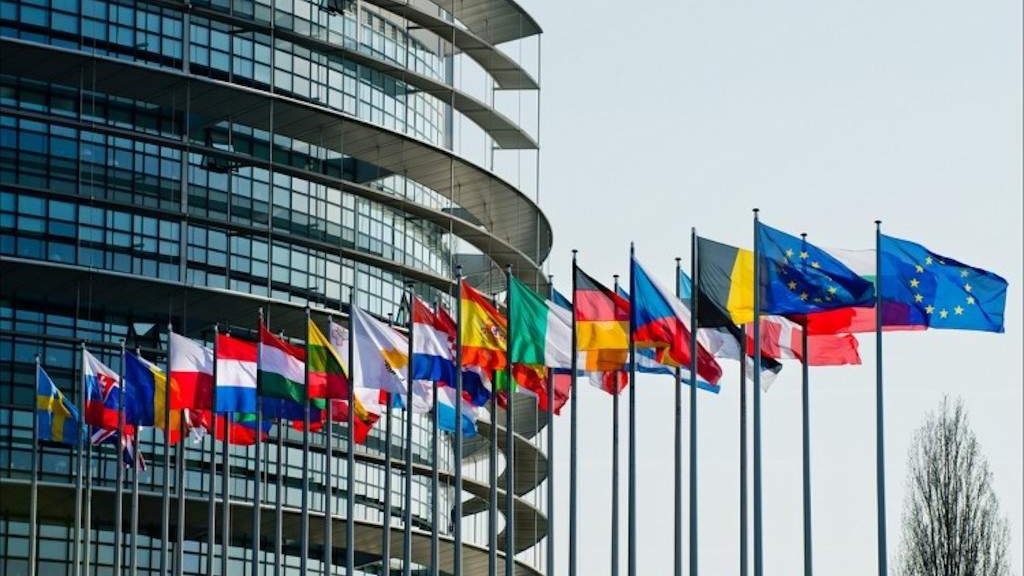
The formation of an ad hoc working group to draft the accession treaty is undoubtedly good news for Montenegro. However, it is now clear that expectations were unrealistic that Montenegro, as host of the EU-Western Balkans Summit on June 5, would ceremonially receive a draft accession treaty.
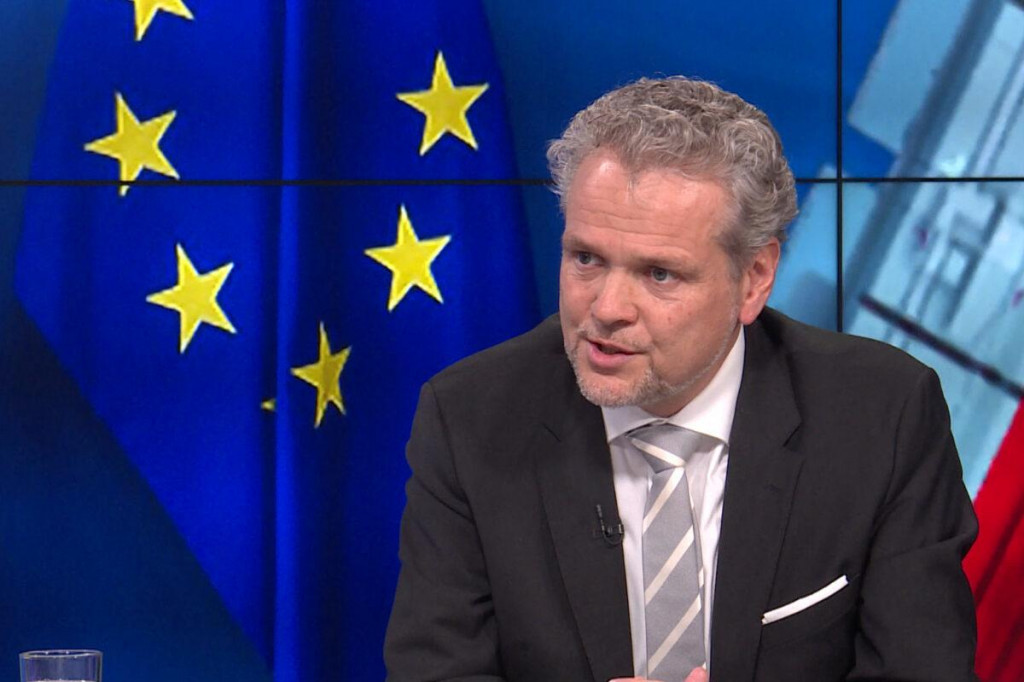
By the end of June, as recently emphasized by EU Ambassador to Montenegro Johan Sattler, it is only realistic to expect the closure of four negotiating chapters. As for the accession treaty, the ambassador noted that „certain changes have occurred, so the accession treaty will be different“.
A POSITIVE MESSAGE, BUT...
In an interview with Television E, political analyst Danilo Kalezić stressed that the ambassadors of EU member states, by forming the ad hoc body to draft Montenegro’s accession treaty, are primarily sending a positive symbolic message. But also a message to the Government of Milojko Spajić.
- It is a strong incentive, primarily This is why Ambassador Sattler is skeptical that Montenegro could close all chapters by the end of the year. Analyst Kalezić is convinced this is an impossible mission. He also assesses that it is unrealistic for Montenegro - as the Government and ruling majority claim - to become a new EU member by 2028.
- We are far from that! Primarily because there is no clear political will within the ruling majority to implement reforms smoothly. But also due to constant provocations toward EU member states, which ultimately make the decision - Kalezić notes, explaining that it is not Brussels but the member states that are decisive in placing their signature on Montenegro’s path to the European Union.
THE CROATIAN EXAMPLE
Sources from Brussels point to the case of Croatia: it took that country a full ten months from the start of drafting the accession treaty to its final ratification.
More precisely, in 2003, then Croatian Prime Minister Ivica Račan submitted Croatia’s official application for EU membership at an EU summit. In July of the following year, Croatia officially became a candidate country.
Negotiations for joining the European Union system began on March 16, 2005. On July 1, 2013, after 10 years and four months, Croatia became the 27th EU member state. The process of drafting the accession treaty lasted - 11 months.
Croatia’s example, as the most recent country to join the EU, says a lot. Analyst Kalezić emphasizes that a country’s technical preparedness is one thing, while bilateral relations with each individual member state are something entirely different, and necessary for the ratification of the accession treaty. In addition, Kalezić notes that some key chapters - such as Chapters 23 and 24, or Chapter 27 - require political readiness for the state to confront the demands of the European agenda.for the Montenegrin Government, to accelerate the fulfillment of the European agenda and to move from technical matters to political ones concerning bilateral relations. Because, while the Government celebrates this gesture of forming the group which is essentially a technical matter, we are seeing a deterioration of relations with our closest country, Croatia - Kalezić warns.
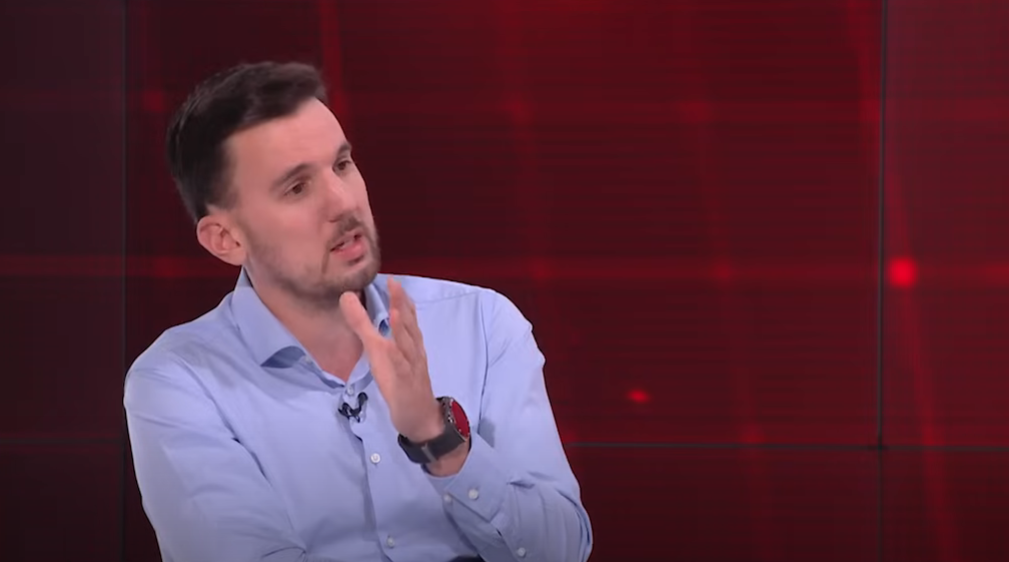
For Montenegro’s path toward the European Union to proceed without delays, Kalezić emphasizes, it is necessary to complete a series of conditions for closing negotiating chapters.
MESSAGE FOR THE EUROPE NOW MOVEMENT AND SPAJIĆ
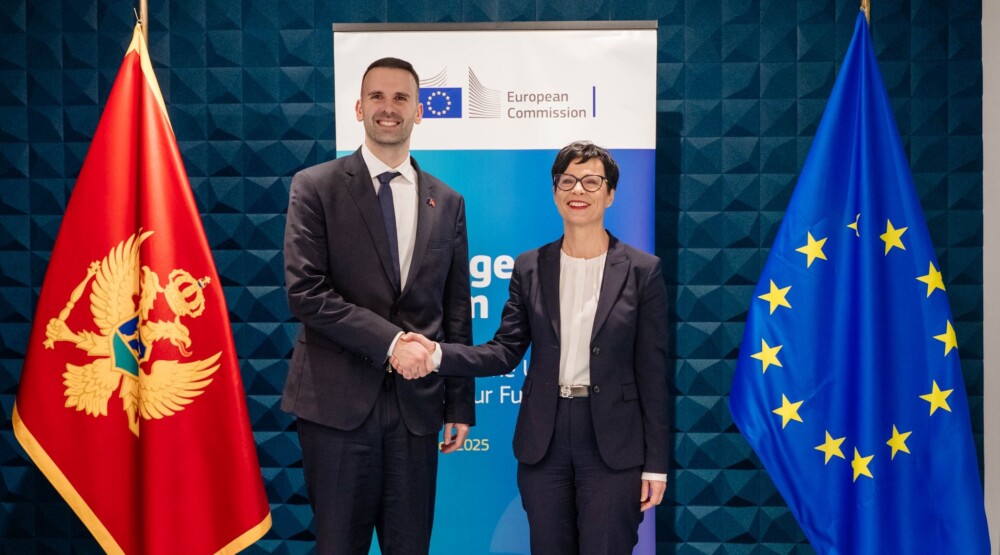
According to Television E’s sources in Brussels, the announcement of closing four chapters sends a message to Prime Minister Spajić that he has a 90-day deadline, from June to early September, to complete many technical details that have been stalled for months.
This is why Ambassador Sattler is skeptical that Montenegro could close all chapters by the end of the year. Analyst Kalezić is convinced this is an impossible mission. He also assesses that it is unrealistic for Montenegro - as the Government and ruling majority claim - to become a new EU member by 2028.
- We are far from that! Primarily because there is no clear political will within the ruling majority to implement reforms smoothly. But also due to constant provocations toward EU member states, which ultimately make the decision - Kalezić notes, explaining that it is not Brussels but the member states that are decisive in placing their signature on Montenegro’s path to the European Union.
THE CROATIAN EXAMPLE
Sources from Brussels point to the case of Croatia: it took that country a full ten months from the start of drafting the accession treaty to its final ratification.
More precisely, in 2003, then Croatian Prime Minister Ivica Račan submitted Croatia’s official application for EU membership at an EU summit. In July of the following year, Croatia officially became a candidate country.
Negotiations for joining the European Union system began on March 16, 2005. On July 1, 2013, after 10 years and four months, Croatia became the 27th EU member state. The process of drafting the accession treaty lasted - 11 months.
Croatia’s example, as the most recent country to join the EU, says a lot. Analyst Kalezić emphasizes that a country’s technical preparedness is one thing, while bilateral relations with each individual member state are something entirely different, and necessary for the ratification of the accession treaty. In addition, Kalezić notes that some key chapters - such as Chapters 23 and 24, or Chapter 27 - require political readiness for the state to confront the demands of the European agenda.
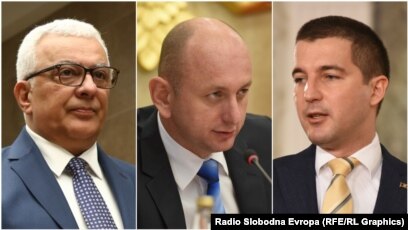
At this moment, such readiness does not exist within the parliamentary majority, nor is Prime Minister Milojko Spajić willing or able to impose that agenda on Andrija Mandić or Aleksa Bečić.
That is why reservations exist in several EU capitals, from the Baltics, through Denmark and the Netherlands, regarding Montenegro’s genuine readiness to become an EU member.
EU DEMAND: REMOVE MALIGN RUSSIAN INFLUENCE FROM GOVERNMENT
The key obstacle to Montenegro’s rapid accession to the European Union is the lack of trust present in many member-state capitals.
This includes the reservations of France, the Netherlands, the Baltic states, and Croatia - primarily due to the evident influence of malign Russian factors within the ruling majority, particularly through the actions of New Serbian Democracy MP Andrija Mandić, including the glorification of right-wing ideology and followers of fascist movements from World War II.
At the same time, Brussels points out that - despite warnings from European partners - Milojko Spajić’s Europe Now Movement (PES) yielded to the demands of the Democrats led by Aleksa Bečić regarding the adoption of very rigid and anti-democratic laws on the Ministry of Interior and the National Security Agency.
All of this affects the pace of European integration. That is why, according to Television E’s sources, several European capitals have suggested that the closing of chapters be completed by June 2027, so that after elections a fully pro-European government can be formed - without elements of malign Russian and Serbian influence.