




Radulović for ETV Portal: We will seek a strategic partner for „Crnogorska plovidba“, the ships were sold to avoid forced seizure

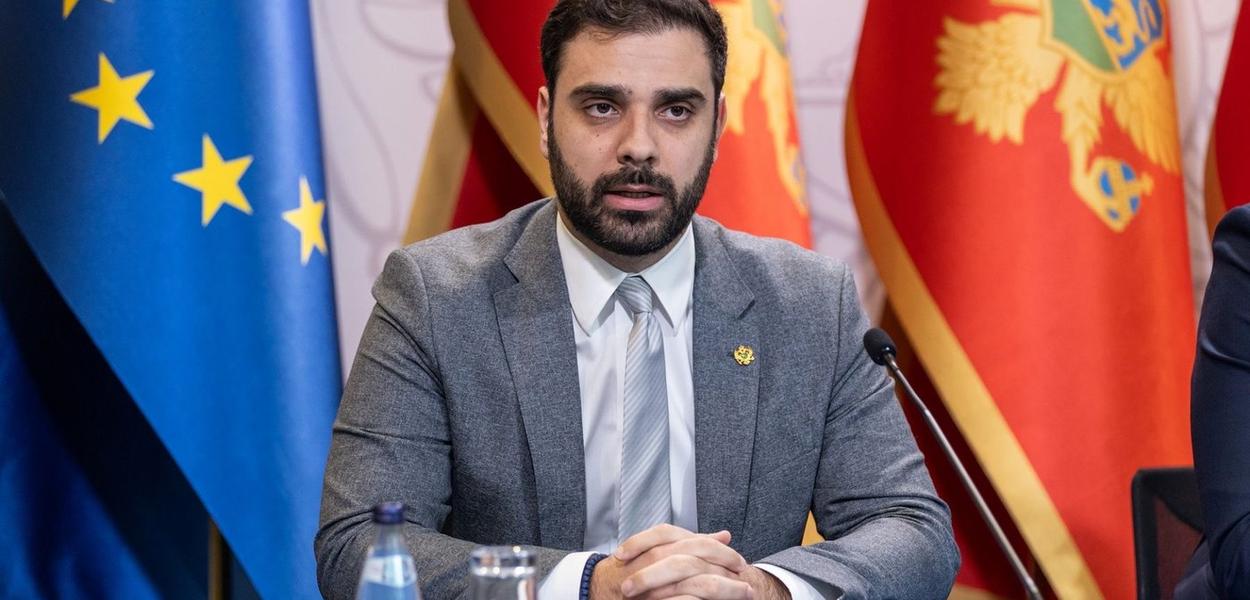
Montenegrin maritime affairs stand at a crossroads - facing accumulated debt, an outdated fleet and administrative challenges, yet at the same time guided by a clear vision of modernization, enhanced safety, and the protection of seafarers’ rights. In an interview with ETV Portal, Minister of Maritime Affairs Filip Radulović speaks about legislative amendments, the future of the sector, and plans to strengthen the international recognition of Montenegrin seafarers.
The Law on the Safety of Maritime Navigation - a step toward international standards
ETV Portal: Amendments to maritime legislation are of exceptional importance. Particular emphasis has been placed on the Law on the Safety of Maritime Navigation, which has already been adopted by the Government and is currently in parliamentary procedure. What do these amendments mean in practice? What concrete steps do they introduce?
RADULOVIĆ: Amendments to maritime legislation, especially to the Law on the Safety of Maritime Navigation, represent a significant step forward toward a higher level of safety, efficiency, and alignment with international standards. The new law provides more clearly defined institutional competencies, strengthens inspection oversight, and improves the system of navigation safety control for both domestic and foreign vessels.
These amendments enable a more modern framework for managing maritime safety, better protection of human life at sea and the marine environment, as well as clearer rules for seafarers. Of particular importance is alignment with international conventions and EU practices, which enhances legal certainty.
Montenegrin maritime at a crossroads - challenges and responsibilities
ETV Portal: You recently stated that the Ministry of Maritime Affairs actively participated in resolving the accumulated problems of „Crnogorska Plovidba“ and on several occasions saved the Kotor-based company, and that the sale of its ships was unpopular but the only possible measure. Were there any illegal actions in the ship sale process that should have been addressed by the competent prosecution authorities? What was the role of the Special State Prosecutor’s Office (SSPO) in this process? Do you recognize any bad intent, planned actions, or unprofessional conduct in the chain of responsibility?
RADULOVIĆ: In all procedures related to „Crnogorska Plovidba“, including the sale of ships, the Ministry of Maritime Affairs acted in full compliance with the applicable legal framework and its statutory competences. „Crnogorska Plovidba“ sold its ships due to long-standing structural problems, a poor business model, and serious financial losses. The vessels were technically neglected, frequently detained in foreign ports, and the company was exposed to the risk of forced seizure. The sale was the only responsible measure to prevent greater losses and protect the state budget. As for responsibility, the situation at „Crnogorska Plovidba“ is the result of years of accumulated problems that were not addressed in a timely manner.
ETV Portal: Montenegrin maritime affairs are facing accumulated debt, an outdated fleet, and serious administrative challenges. What is the fate of the many employees in this sector? What is the current situation in shipping companies, and what are the realistic prospects for the future?
RADULOVIĆ: Years of poor management, particularly in the period following the establishment of „Crnogorska Plovidba“, the lack of a clear strategy, unsustainable business models, and the absence of responsible corporate governance have led to accumulated debt, technical deterioration of the fleet, and serious administrative problems. This situation has had direct consequences for employees in the sector, but this is not a staffing crisis - it is a crisis of management and systems.
The state’s focus is on finding sustainable, market-based solutions, including the possibility of identifying a strategic partner. The fate of Montenegrin seafarers has never been uncertain - they are highly qualified professionals who integrate without difficulty into the global maritime labor market.
Protection of seafarers’ rights and modernization of oversight
ETV Portal: How does the Ministry plan to improve the treatment of seafarers in international navigation and further strengthen the protection of their labor rights?
RADULOVIĆ: For the first time in several decades, Montenegrin maritime legislation is being comprehensively aligned with IMO conventions and the EU acquis. This includes improving the system of education and training for seafarers, aligning the legal framework with the Maritime Labour Convention (MLC), prescribing minimum living and working conditions for crews on board ships, closing regulatory gaps, and modernizing regimes related to safety, environmental protection, and liability.
ETV Portal: During the summer tourist season, maritime controls were intensified. How many fines were issued and in what total amount? Do you plan a permanent increase in inspection capacity, digitalization of supervision, or the use of modern technologies such as drones for coastal monitoring?
RADULOVIĆ: The season passed without major incidents. The Maritime Safety Inspection issued 346 misdemeanor fines, totaling 87.600 euros. The Ministry will continue to modernize oversight, provide additional training, and conduct awareness-raising campaigns, with the aim of achieving an even higher level of safety and protection of lives and vessels at sea.