




European Commission on Montenegrin politicians glorifying Mladić: There is no place for glorification of war criminals either in the EU or among candidate countries

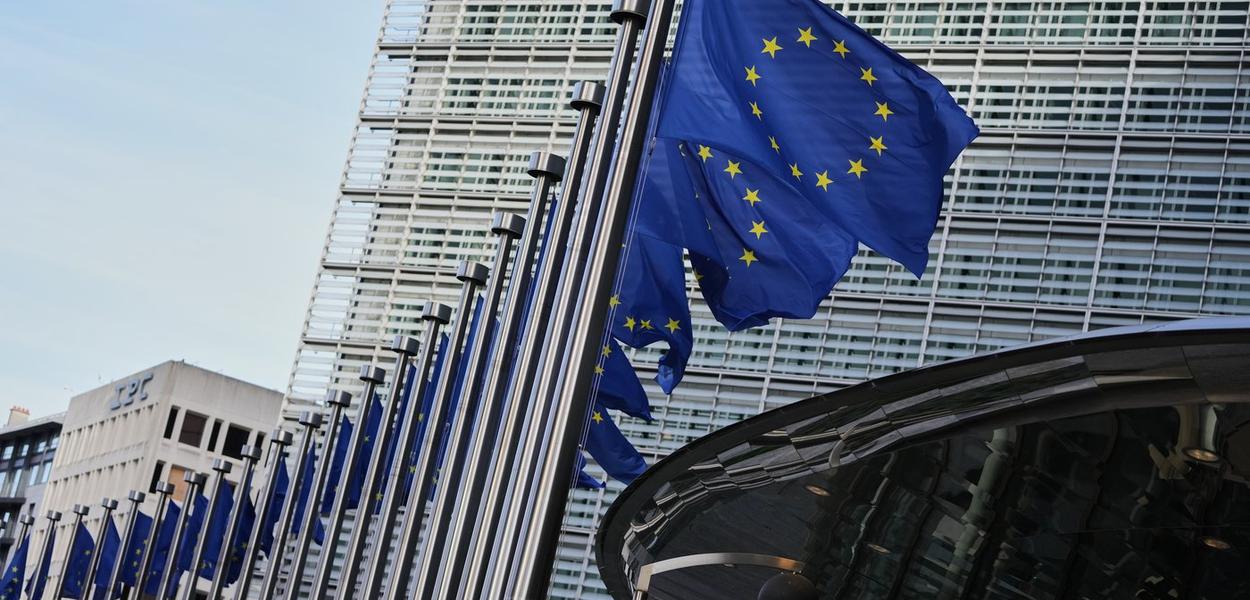
Any glorification of war criminals is contrary to the most fundamental European values, and there is no place for it either in the European Union (EU) or in countries that are candidates for membership.
This was stated by the European Commission (EC) in response to a question from Vijesti about how it views statements made by certain Montenegrin politicians following the death of Ratko Mladić, in which the war criminal was glorified.
- Ratko Mladić was serving a life sentence for crimes against humanity and genocide in Srebrenica. He was a war criminal - they said.
The EC recalled that the International Criminal Tribunal for the former Yugoslavia found Mladić guilty and sentenced him to life imprisonment in 2017, and that the judgment was upheld on appeal before the International Residual Mechanism for Criminal Tribunals in 2021.
The President of the Parliament of Montenegro and leader of the New Serbian Democracy (NSD), Andrija Mandić, said yesterday that he had sent his condolences following the death of Ratko Mladić.
- I have just sent my condolences to Darko Mladić, on my own behalf and on behalf of the New Serbian Democracy, on the death of his father, General Ratko Mladić - Mandić posted yesterday on the social media platform X.
Several Montenegrin politicians and officials from a number of parties in the governing coalition glorified Mladić in statements and comments they made following his death.
Mladić died yesterday.
The former commander of the Main Staff of the Army of Republika Srpska had been sentenced to life imprisonment in a final and binding judgment.
The Hague Tribunal found him guilty of genocide in Srebrenica, crimes against humanity, and violations of the laws and customs of war in Bosnia and Herzegovina (BiH).
Mladić served as commander of the Main Staff of the Army of Republika Srpska from 1992 to 1995.
He had suffered several strokes, which left him in serious medical condition.
Since 2024, Mladić had been held at a detention hospital in The Hague, where he was receiving palliative care due to his serious medical condition.
The Hague Mechanism rejected several requests for him to be granted temporary release to receive medical treatment in Serbia.