




Why doesn't Milojko Spajić want to hear or see Milan Knežević?
Sources from the Government of Montenegro indicate that the Democratic People’s Party, in addition to three identity-related demands - the Serbian language, the tricolor flag, and dual citizenship with Serbia - also attempted to impose other political and economic conditions. These were related to capital-budget investments in infrastructure in Zeta and, interestingly, to the selection of a Chinese company linked to controversial Serbian businessmen Veselinović and Radoičić, whose companies are on the U.S. sanctions list

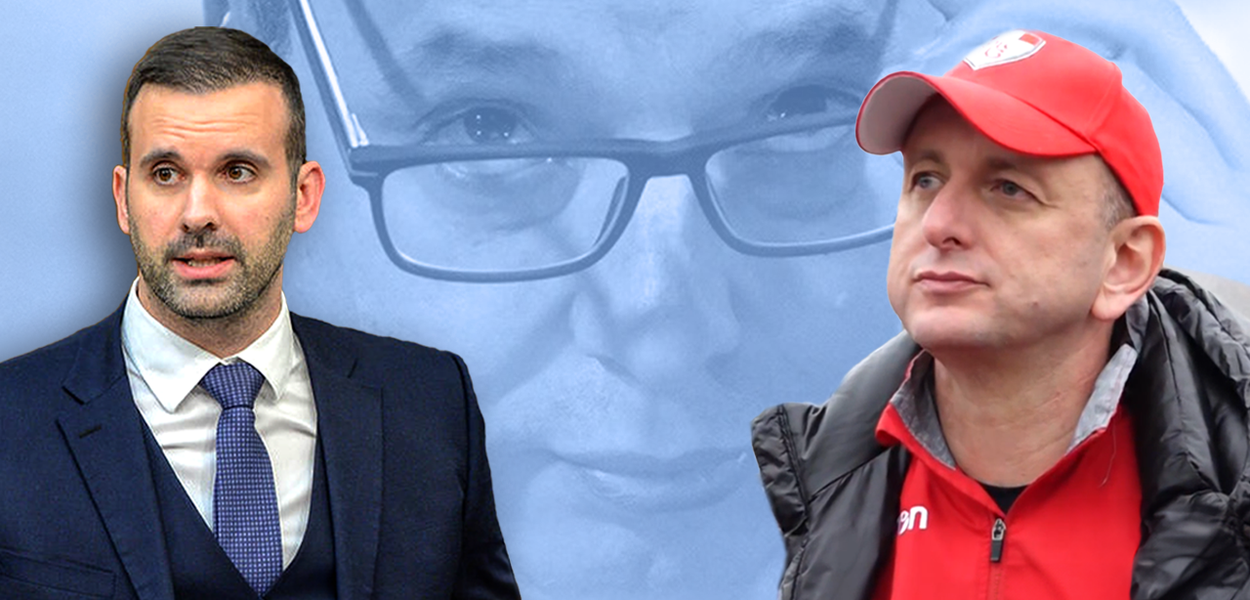
Milan Knežević’s ultimatum to the Government of Montenegro and his threat to leave the parliamentary majority, amid protests over the construction of a wastewater treatment plant in Botun, also included several political and economic demands - TVE has learned from two sources in the Government of Montenegro.
However, despite insisting on a meeting, the leader of the Democratic People's Party failed to meet Prime Minister Milojko Spajić either before or after the New Year and Orthodox Christmas holidays. Their last meeting, attended by Knežević, Spajić, and Andrija Mandić, took place in July last year. Since then, all communication has taken place through intermediaries.
According to information obtained by Television E, Knežević used intermediaries to set conditions for easing tensions over Botun, in addition to demanding a postponement of the wastewater treatment plant construction.
These conditions were only partly related to infrastructure projects in Zeta, but also to the issue of selecting the contractor for the second section of the highway from Mateševo to Andrijevica, suggesting that Knežević was also considering the interests of a political ally from Serbia.
KEY DEMANDS
A government source says that, in addition to changing the location of the wastewater treatment plant, it was demanded that the Government of Montenegro add 1,2 million euros to the state capital budget for works on the main street in Zeta, even though the project documentation has not yet been properly completed.
There was also another, more interesting request.
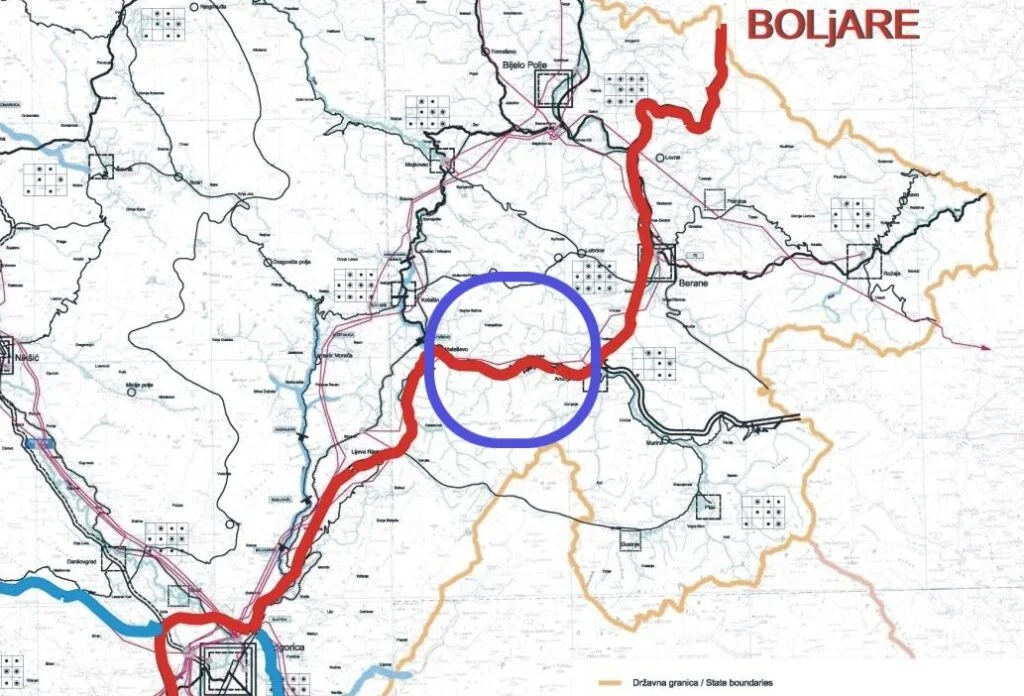
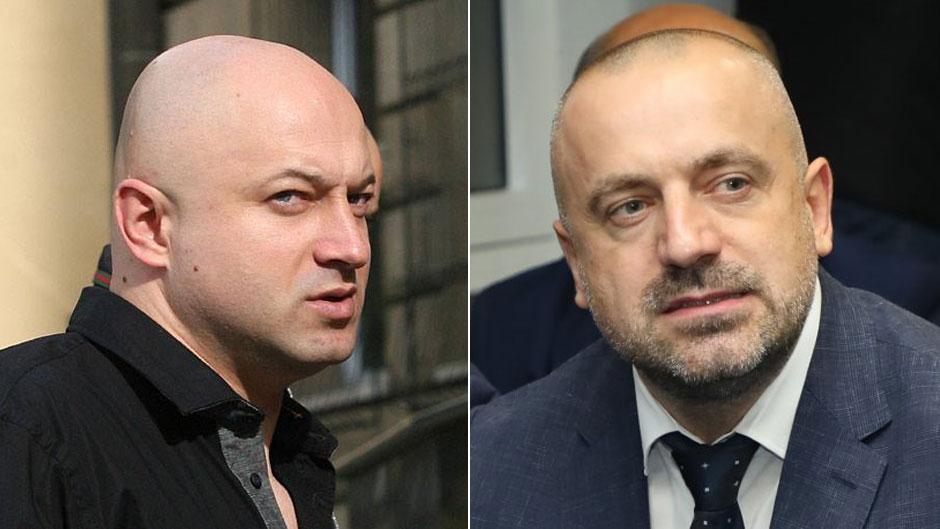
- It was requested that Serbian companies, which are partners of a Chinese company already heavily engaged in Serbia, be subcontractors on the second section of the Mateševo-Andrijevica highway. This primarily refers to the Shandong Group, which is known for its ties to the company Inkop from Ćuprija and its owners Zvonko and Žarko Veselinović, as well as Milan Radoičić, who is wanted by Kosovo over an attempted armed uprising in Banjska in 2024 - an ETV source from the Montenegrin government said.
PERSONNEL DEMANDS
In addition to these conditions, certain personnel changes were also demanded, including the removal of officials responsible for Montenegro’s transport infrastructure.
Government sources say that the dismissal of Milan Ljiljanić, executive director of the state-owned company Monteput, as well as director of the Transport Administration Radomir Vuksanović was requested, along with the appointment of other individuals, primarily those proposed by the Democratic People’s Party.
It was also demanded that the state abandon plans to grant airport concessions, or at least exclude Podgorica Airport from any potential concession agreement, and that the current head of the Board of Podgorica Airport Jelena Maraš be guaranteed another term.
From the list of demands alone, it is evident that the Democratic People's Party sought to gain control over the road infrastructure and transport sector, where it already has influence through the Minister of Transport Maja Vukićević.
VUČIĆ, VESELINOVIĆ, RADOIČIĆ…
The information also indicates that Knežević’s party is politically fully aligned with Serbian President Aleksandar Vučić and his Serbian Progressive Party and is prepared to promote businessmen close to the Serbian political leadership - Zvonko Veselinović and Milan Radoičić.
The two controversial Serbian businessmen from Kosovo have been extensively covered by Serbian and international media. Both Veselinović and Radoičić are under U.S. sanctions, while at the same time enjoying privileged business status in Serbia for years.
Radio Free Europe’s Serbian Service reported in detail that companies linked to Veselinović and Radoičić were subcontractors on at least three road construction projects in Serbia.
- What these three road sections have in common is that the main contractors were Chinese companies - Shandong and CCCC. According to available data, the Ćuprija-based company Inkop made profits of 24,5 million euros over two years, while another Veselinović and Radoičić linked company - Novi Pazar-Put - earned around 16 million euros - Radio Free Europe reported in a feature published in mid-last year.

These data demonstrate the strong political ties of Knežević’s Democratic People’s Party, not only to the policies of Aleksandar Vučić, but also to the interests of controversial tycoons close to Serbia’s political leadership.
WHEN THE PRIME MINISTER IGNORES
No behind-the-scenes negotiations took place. Prime Minister Spajić received guarantees from the European Union that it would support the construction of the Botun facility without any change in location. As a result, the proposals - or ultimatums -of Milan Knežević’s Democratic People’s Party were not considered at all.
Judging by the position of Parliament Speaker Andrija Mandić - who emphasized yesterday that now is not the time to push identity issues, such as the introduction of the Serbian language and the tricolor flag - it appears that Milan Knežević and the Democratic People’s Party have also lost direct support from Serbian parties within the parliamentary majority.
As a result, Knežević now faces political marginalization, and it remains to be seen how much support he will retain among the citizens of Zeta, given that it is increasingly certain that the wastewater treatment plant will not be relocated from Botun.