




New step towards membership: Montenegro set to receive €3.2 billion after joining the EU

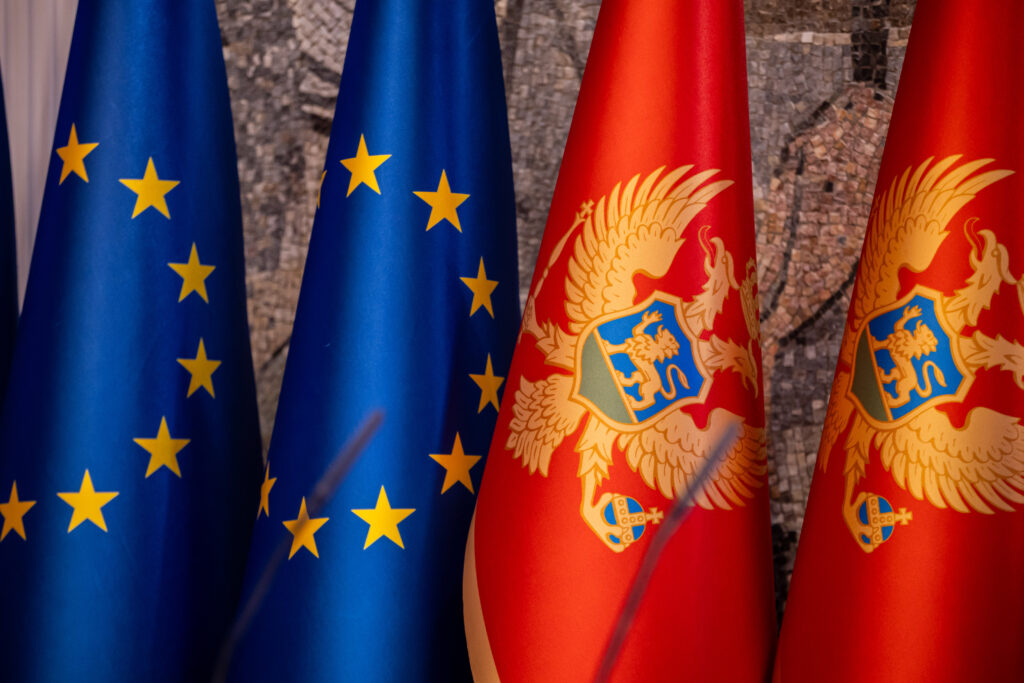
The European Commission adopted a financial package today, setting out the budgetary arrangements that will apply to Montenegro following its accession to the European Union.
- Montenegro is making steady progress in the accession process, and this proposal marks an important step on its path towards European Union membership, following the recent decision by EU member states to begin drafting the Accession Treaty - the Europe House said in a statement.
The package concerns Chapter 33 - Financial and Budgetary Provisions - of Montenegro's EU accession negotiations. It provides a clear overview of the expected financial implications of Montenegro's accession to the European Union.
EU enlargement represents a credible and strategic investment in Europe's stability, unity and prosperity. Montenegro's progress demonstrates that, through continued reforms and political commitment, the accession process is gradually moving from ambition to reality.
- Today's package marks another concrete step towards Montenegro's future in our Union. We are preparing Montenegro, the Member States and our institutions for that moment, because enlargement succeeds when it is a shared European project built on merit, commitment and mutual trust - European Commission President Ursula von der Leyen said.
Preparing Montenegro for a smooth transition to EU membership
The package is designed to ensure Montenegro's full participation in European Union policies and the EU budget, both as a beneficiary of EU funding and as a contributor to the Union's budget. Its objective is to prevent disruptions in financing while keeping unnecessary administrative burdens to a minimum. All financial implications outlined in the package are based on the European Commission's proposal for the EU's next long-term budget, presented on 16 July 2025.
- Through this package, the Commission proposes a clear accession pathway under the same conditions and with the same level of ambition that apply to all Member States. This will accelerate economic convergence, support sustainable growth and further strengthen integration into the European Union's single market, to the benefit of both Montenegro and the existing Member States. Montenegro's citizens, businesses and institutions will benefit from increased investment, stronger public institutions and deeper integration. A larger Union is also a stronger Union. At the same time, Montenegro's accession will contribute to Europe's stability, connectivity and competitiveness - the Europe House said.
In line with the Commission's proposal for the next Multiannual Financial Framework (MFF), support for Member States will be delivered through performance-based national plans covering areas such as regional development, agriculture, social policy and home affairs, with payments linked to the achievement of agreed milestones. The financial package also provides for a structured transition from pre-accession assistance to financing through EU funds available to Member States, ensuring continuity, improving implementation efficiency and directing EU funding firmly towards measurable results.
Next steps
The European Commission has submitted the proposed financial package for Montenegro to the Council of the European Union. The package will now be negotiated between the European Union and Montenegro. Based on this financial package, the Commission will also submit to the Council a draft common negotiating position for Chapter 33 - Financial and Budgetary Provisions.
Basic information
Montenegro's accession negotiations with the European Union officially began on 29 June 2012. To date, all 33 negotiating chapters covering the EU acquis have been opened, with 16 provisionally closed. In May 2026, the Council of the European Union established an ad hoc working group tasked with preparing Montenegro's Accession Treaty.
Negotiations on the European Union's next long-term budget (the Multiannual Financial Framework) are currently underway.
What does the financial package include?
The European Commission today adopted a financial package setting out the budgetary arrangements that will apply to Montenegro after it joins the European Union. The package provides for Montenegro's transition from pre-accession financial assistance to the use of EU funds available to Member States, a proportional increase in allocations under the relevant budget headings, and the accompanying additional expenditure. At the same time, it offers a clear overview of the expected financial commitments related to Montenegro's accession to the European Union.
Why is the package being presented now?
Following the agreement by EU Member States to begin drafting Montenegro's Accession Treaty, and with the country entering the final stage of the accession process, the proposal represents another concrete step forward. Montenegro aims to conclude its accession negotiations by the end of 2026. The European Commission's 2025 Enlargement Package stated that, provided the current pace of reforms continues, the Commission would present a financial package for Montenegro.
- Today's package contributes to progress towards closing negotiations under Chapter 33 - Financial and Budgetary Provisions. It provides a clear overview of the expected financial implications of Montenegro's accession to the European Union - the Europe House said.
How much funding will Montenegro receive after accession?
The financial package states that Montenegro's accession to the European Union would entail total financial allocations amounting to €3.2 billion. At the same time, Montenegro will contribute to the EU budget under the same principles that apply to all other Member States. The package also envisages that pre-accession assistance previously allocated to Montenegro will be redirected to finance the European Union's internal policies after the country becomes a member.
Does this mean Montenegro will join the European Union in January 2028?
Montenegro will accede to the European Union only after fulfilling all membership criteria and once the Accession Treaty has been ratified by all contracting parties. The financial package is conditional upon Montenegro's continued progress in the accession negotiations and does not prejudge the provisional closure of any negotiating chapter.
What if Montenegro does not join the EU at the beginning of the next long-term EU budget?
The financial package provides for several possible scenarios. It will allow Montenegro to prepare a single national plan regardless of whether it enters the next Multiannual Financial Framework as a candidate country or as a new Member State. That plan will be aligned with the requirements of the European Union's internal policies and will serve as the basis for Montenegro's National and Regional Partnership Plan following accession. This mechanism is designed to ensure continuity in implementation and reduce administrative burdens if Montenegro joins the European Union after 1 January 2028.
What does this package mean for other candidate countries seeking EU membership?
The package applies exclusively to Montenegro and reflects the advanced stage of its accession negotiations. It demonstrates the European Union's strong commitment to the enlargement policy by showing that when a candidate country delivers results in implementing reforms, the EU responds with tangible support. As Montenegro moves closer to concluding its accession negotiations, the Commission is providing a clear framework outlining what membership would mean for both Montenegro and the European Union. The package does not prejudge any future financial arrangements for other candidate countries.
Since the financial package is based on the proposal for the next Multiannual Financial Framework rather than adopted legislation, what do the figures presented represent?
The figures presented are based on the European Commission's proposal for the next Multiannual Financial Framework (MFF). The final amounts will depend on the outcome of negotiations on the MFF and the accompanying legislation.
- The figures presented send a clear message by demonstrating in concrete terms how Montenegro's accession would be reflected in the European Union's budget, providing both the Member States and Montenegro with a solid basis for further discussions. They also send a signal to the citizens of Montenegro, as well as those of other countries seeking EU membership, that the European Union delivers on its commitments when a candidate country fulfils its reform and accession obligations - the Europe House said.
What is new in this financial package compared with those presented during previous EU enlargements?
First and foremost, the financial package is based on a plan with clearly defined objectives, in line with the European Commission's proposal for the implementation of EU funds available to Member States. To prepare candidate countries for the future management of these funds, pre-accession assistance will be implemented according to the same performance-based planning model.
Secondly, the package provides for the transfer of resources already allocated under pre-accession assistance to finance the implementation of that plan. This represents a key innovation designed to reduce the financial burden on the current Member States.
With regard to other budget headings under the Multiannual Financial Framework, the package follows the same approach used during previous enlargements by providing for a proportional increase in the relevant budget ceilings, thereby avoiding any negative impact on the current member states, their citizens or their economies.
- In any case, the methodology does not envisage any reduction in EU support already allocated to the current member states - the statement said.
Will Montenegro be able to absorb these structural funds?
The projected financial allocations have been carefully calibrated to Montenegro's actual absorption capacity. With regard to the Structural Funds, the proposed amounts are based on the level of support that Montenegro is currently capable of effectively utilizing. Under the Common Agricultural Policy (CAP), financial support will be gradually increased in accordance with the policy's established methodology. The methodology does not prejudge the conditions that may apply to future financial packages for other candidate countries, particularly Ukraine.
In the area of Home Affairs, the financial package seeks to strike a balance between Montenegro's absorption capacity and the substantial investment required to ensure effective border management.
- Thanks to the Reform and Growth Facility, Montenegro has already gained direct operational experience in implementing European Union funds through performance-based plans, which will also become the model for Member States under the next Multiannual Financial Framework. Both as a candidate country and later as a Member State, Montenegro will have access to the appropriate technical assistance - the Europe House concluded.