



Grgić: Euro Model could double the fiscal deficit and jeopardise the pension system

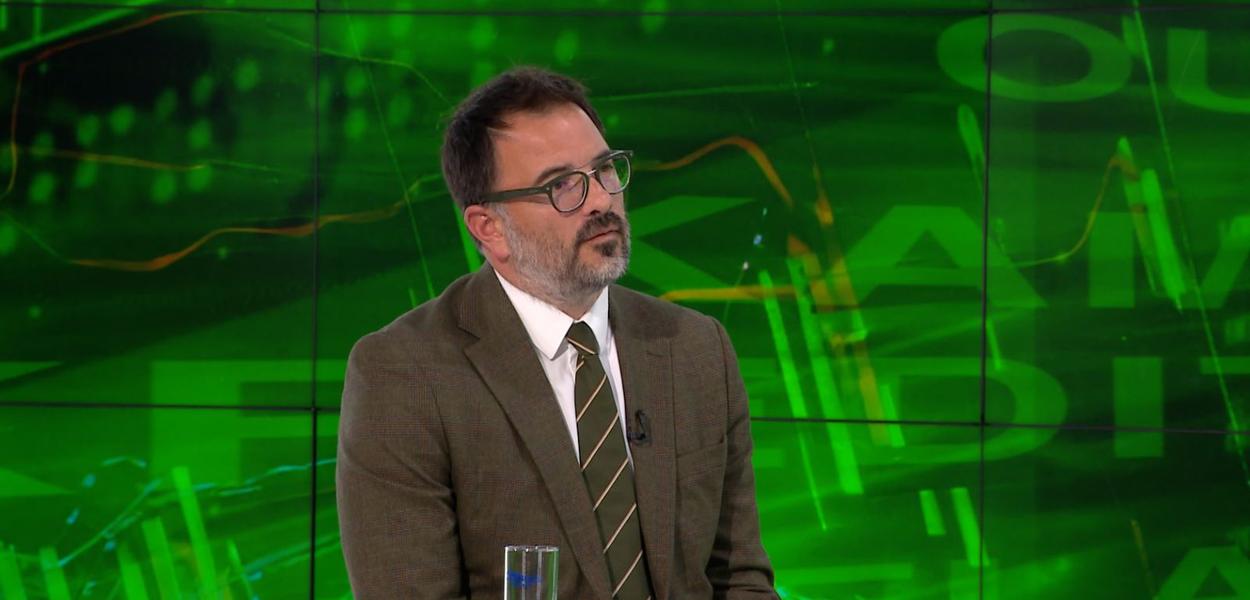
The implementation of the Euro Model could seriously jeopardise public finances, the pension system and the competitiveness of Montenegro’s economy - associate at the Faculty of Political Science, Mladen Grgić, has warned, commenting on the International Monetary Fund’s (IMF) assessments of the economic consequences of the model.
In a post on the social media platform LinkedIn, Grgić said that such a plan could destabilise public finances, more than double the fiscal deficit, threaten the survival of small and micro-enterprises, and introduce uncertainty into the economic system.
- Moreover, it introduces a one-size-fits-all approach to the wage system, undermining the significance of differences in qualifications, responsibilities and competencies, and making an already dysfunctional public administration system even more dysfunctional. And all this in exchange for a short-term increase in consumption and a few extra percentage points in the next election - Grgić stated.
He pointed out that he had previously been critical of the IMF’s policy prescriptions, but said that, in this particular case, he considered the institution’s assessment and projections to be entirely well-founded.
According to the IMF projections cited by Grgić, implementing the Euro Model would result in a fiscal deficit of nine per cent of gross domestic product (GDP) and inflation of nine percent as early as 2027. Meanwhile, public debt would reach 72 percent of GDP by 2029, with a further upward trend.
- It is difficult to believe that people who tie their own future and the future of their children to this country could pursue such economic policies. If someone advised them to do this, that person is not from Montenegro - Grgić said.
He also stated that he opposed holding a referendum on such measures, arguing that politicians should not shift responsibility for economic decisions onto citizens.
- It is not the role of politicians to ask citizens whether they want to run headfirst into a wall, but to prevent them from doing so. A referendum must not be used as a means of shifting responsibility for one's own economic decisions onto citizens. Playing on people's emotions and basic needs in order to secure votes may be politically profitable in the short term, but it is devastating for society in the long run - Grgić said.
He concluded by noting that he had already spoken about this issue many times, adding that now „all that remains is to see it through to the end, tear everything down to its foundations, and then start all over again“.
Grgić is a former adviser to the President of Montenegro and former director of the Innovation Agency.