




Nikolić: The group for the safety of journalists handled nine cases since its launch

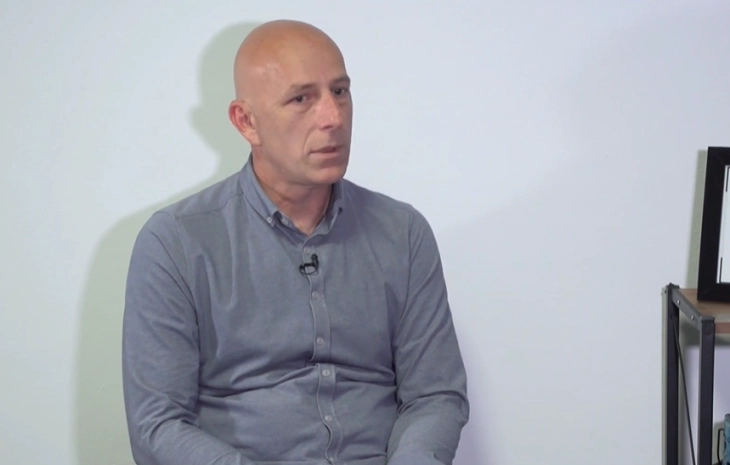
The intersectoral working group for establishing a mechanism for the safety of journalists has, since the beginning of its work on March 4, handled nine cases of insults and threats against media workers, said a member of the Main Board of the Media Union, Predrag Nikolić, noting that legal assistance was provided in five cases.
Nikolić recalled that the SOS hotline for reporting threats and attacks on media workers, established within the intersectoral working group, operates 24 hours a day.
- So far, we have not received a single report through the SOS hotline, but since the beginning of our work, through the police representative and direct contact with journalists who were threatened, we have handled nine cases. In five of those, we provided legal assistance, and in two cases we processed the threats and insults - Nikolić told the MINA agency.
He explained that once a report is received, it is forwarded to the member of the working group from the Police Directorate, and the prosecutor who is part of the team is also informed.
- The police then process the report urgently in accordance with their protocols. It is important to note that, in addition to processing and monitoring the report, media workers are also provided with free legal and psychological assistance - Nikolić said.
As he stated, given that the mechanism and the SOS hotline were only recently established, it is still too early for firm assessments.
- What is evident is that over the past month, since the mechanism has been operational, journalists have been informed about the possibility of receiving assistance, and in most cases have received concrete help, from reporting threats to obtaining legal support - Nikolić emphasized.
Asked about the level of cooperation between institutions within the intersectoral working group, he said that cooperation has so far been very successful.
- Immediately after the constitutive session, we received information from the police representative about a threat against a journalist. We contacted her and enabled legal and psychological assistance - Nikolić said.
He added that, in addition to journalists, the team includes members from the prosecution, police, lawyers, a psychologist, and representatives of the Government’s General Secretariat.
- As there is no established practice yet, we are all learning as each case arises. The concrete results are nine cases of threats against journalists in which assistance was offered, and in seven cases actually provided - Nikolić said.
Asked about the biggest challenges in the work of the intersectoral working group and what needs to be improved for the mechanism to be more effective, he replied that the group’s mandate is limited to one year and that a way should be found by then to ensure it operates at full capacity.
- That means resolving the issue of its institutional and financial sustainability, with the participation of institutions and the media - Nikolić added.
According to him, many aspects need improvement, from prevention within newsrooms to detailed monitoring of police and prosecutorial actions, as well as court rulings in cases involving threats to the safety of media workers.
- This is a trial period in which some members of the working team are performing this work almost on a voluntary basis, and the future sustainability and improvement of both the mechanism itself, as well as prevention and assistance to attacked media workers - whose number is increasing every year - will depend on institutional willingness to establish the mechanism as a permanent body - Nikolić said.
As he noted, most media outlets have already expressed that the mechanism is necessary.
Nikolić emphasized that the trend of threats to journalists’ safety has been increasing year by year.
- Without a change in the social climate, sanctioning the recklessness of some politicians and other centers of power and their supporters, who see the media as a problem, it is difficult to speak of reduced threats to journalists - Nikolić stated.
According to him, the mechanism is important because it provides support to media workers, who in the past were often left on their own after threats and attacks.
Nikolić stressed the importance of building trust and creating opportunities for journalists to have support when their safety is threatened.
- In the coming period, we will strive to ensure that all media workers are informed about the assistance available to them in cases of threats and attacks, and we will continue to monitor and improve cooperation with the police, prosecution, and courts, as there are already some indications of less favorable judicial practice when it comes to rulings in cases of insults and threats against journalists - Nikolić said.
He added that communication with media and institutions is ongoing with the aim of establishing the mechanism on a long-term basis.
- This is a prerequisite for the mechanism to act preventively, both in the public sphere and within newsrooms, in order to reduce at least part of the security risks. What is most important is that media workers report threats to their safety and build trust that they are not alone - Nikolić concluded.