




A child living with trauma is not a story for sensationalism

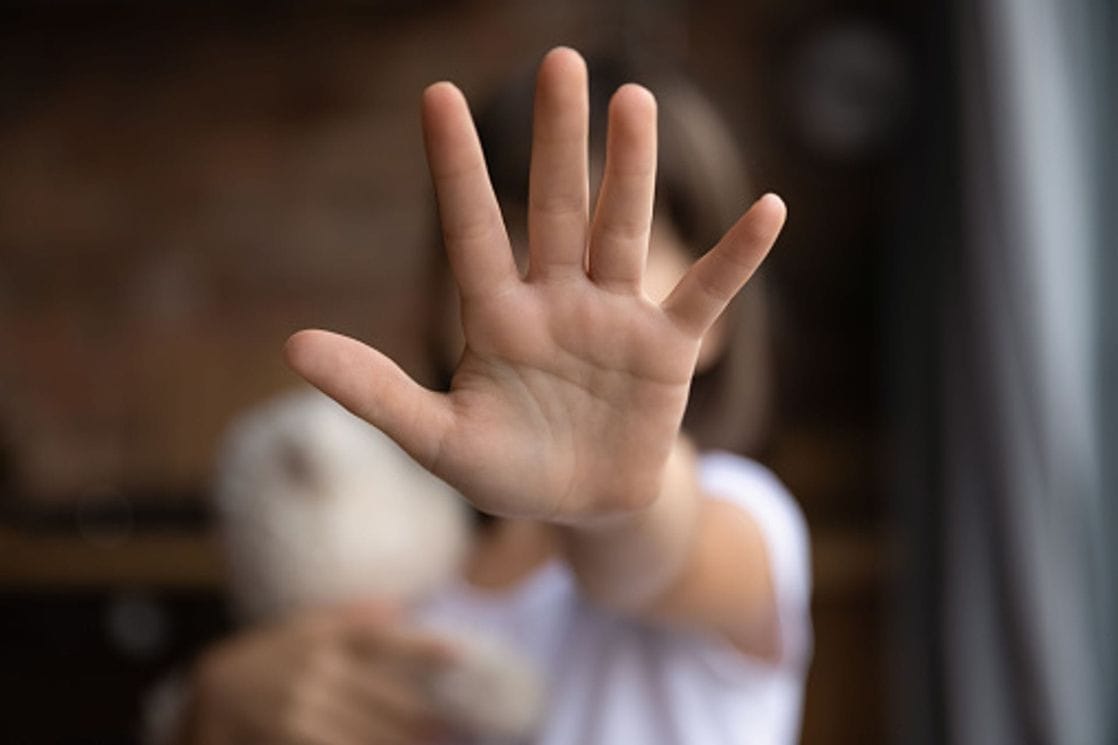
For a child who has survived sexual abuse, the arrest of a suspect does not mark the end of the trauma. It often marks the beginning of another, equally difficult struggle - coping with public reactions, thoughtless social media posts, online comments, media coverage, and attempts by adults to seek justice in full view of the public.
In recent days, Montenegro has witnessed precisely such a situation. A case of sexual abuse involving a minor has gone far beyond the boundaries of a criminal investigation and become a topic of widespread discussion on social media. Emotional appeals, calls for revenge, and even a video of the girl - her face blurred but her voice left unchanged - have circulated online. Many have interpreted the large number of views and likes on posts calling for retaliation against the suspect as an expression of the fight for justice. However, Head of the Expert Service of the Supreme State Prosecutor's Office, Dijana Popović-Gavranović, who has worked with child victims of the most serious criminal offences for many years, warns that this is precisely the moment when a child can become a victim for the second time.
- Inappropriate posts on social media or in the media contribute to tertiary victimisation and undermine the victim's recovery - she said to daily newspaper Pobjeda.
She explains that a child does not cease to be a victim the moment the abuse ends. Rather, this is when the difficult process of rebuilding a sense of safety, trust, and normal life begins.
- Trauma is often relived through sudden, brief, involuntary, and vivid traumatic memories during wakefulness and/or through recurring dreams in which the event is experienced again with the same intense and painful emotions felt during the assault. The same reactions can be triggered whenever the child is asked to talk about the experience, including through exposure to online portals and social media containing inappropriate details about the abuse. This causes retraumatisation, and the intensity of those memories may be so overwhelming that the person feels as though they are seeing the event unfold before their eyes or experiencing the attack all over again - Popović-Gavranović explained.
THE INTERNET NEVER FORGETS
One of the most common misconceptions is that a child's identity is protected simply by blurring their face or withholding their name. Popović-Gavranović warns that this is far from sufficient. A child's voice, school, place of residence, family members, or specific details of the case can often be enough for others, particularly in smaller communities, to identify them.
- Even when a child's face is blurred or concealed in media reports, this constitutes only partial anonymisation and still leaves room for people within the child's immediate community to recognise the child from an image or an audio or video recording - she said.
Unlike the era when newspaper articles remained buried in archives, the internet rarely forgets. As a result, the consequences of a single thoughtless post can follow a child for years after criminal proceedings have ended.
- The internet permanently preserves published media articles and social media comments, making it impossible for victims to leave them behind. Every renewed encounter with online content about the abuse can reactivate the child's trauma, with unforeseeable consequences for their recovery - Popović-Gavranović warned.
She added that repeated media coverage may cause the child to become permanently defined solely by the abuse they experienced.
- This constitutes tertiary victimisation, fuelled by inappropriate, repetitive, and stigmatising media coverage that fixes the child's identity as a victim in the public sphere. Such reporting has long-term harmful consequences not only for the child, who suffers profound attacks on their personality and dignity, but also for the family, the wider community, and society as a whole - she said.
Instead of being seen as a student, a friend, an athlete, or simply someone's child, the child becomes, in the public's eyes, „the child from that case“. Preventing this, she stresses, is a responsibility that society must take seriously.
When a child first reveals that they have experienced sexual abuse, the lives of their family change in an instant. Fear, disbelief, anger, and the overwhelming urge to protect the child are natural reactions for every parent or close family member. Yet it is precisely at this moment that mistakes, often made out of love, can unintentionally cause further harm.
- For a child, disclosing abuse is an extremely difficult emotional experience. When a child decides to speak out, they are testing whether their environment is safe and therefore reveal their story gradually. Sometimes they seek help from peers, sometimes online. The first reaction of the person the child confides in can determine the course of further disclosure, the child's recovery, and their willingness to cooperate with the institutions responsible for protecting them - Popović-Gavranović explained.
A child carefully observes the reaction of the trusted adult. Facial expressions, tone of voice, disbelief, panic, or anger often communicate far more than words.
- If the child becomes reluctant to talk, changes or withdraws their statement, or even denies the abuse, this usually indicates that the disclosure has caused intense upheaval, stress, and chaos in the child's life and within the family. It does not mean the child lied when reporting the abuse - Popović-Gavranović emphasised.
As difficult as it may be for parents to control their emotions, doing so is one of the most important conditions for helping the child continue to speak.
- Children are extremely sensitive to their parents' emotional state. If they see a parent emotionally collapse, they may withdraw and begin hiding their own feelings in an attempt to protect the parent. That is why it is essential to remain calm and understanding, manage your emotions, listen carefully, ask only a few general questions, avoid insisting on answers, and especially avoid pressing for details of the abuse, as this only deepens the child's trauma - she said.
According to Popović-Gavranović, what children need most at that moment are simple messages of reassurance and support.
- It is perfectly appropriate to tell a child: „I feel sad and angry when adults hurt children. The child who was hurt feels that way too. Adults are responsible for these actions, children are never to blame. I'm sorry this happened to you. I know people who will help keep you safe and help you begin to feel better“ – Popović Gavranić said.
PARENTS ARE NOT INVESTIGATORS
The greatest mistake often begins the moment a family decides to investigate the abuse on its own. In an effort to uncover the truth, the child is repeatedly taken back to the traumatic event, asked to recount it to different family members, and required to answer the same questions over and over again.
- After the abuse has been disclosed, parents sometimes begin repeatedly questioning the child because they cannot believe such a thing could have happened. Instead of immediately believing the child, listening, and allowing them to speak freely without numerous additional or leading questions, they continue questioning them. This causes retraumatisation, revictimisation, and contaminates the child's memories - Popović-Gavranović explained.
The only thing a parent should do, she says, is listen to the child, make a note of what the child has shared spontaneously, and immediately contact the police, the Centre for Social Work, or the State Prosecutor's Office.
- If a parent suspects abuse, the only correct and safe course of action is to seek professional assistance rather than conducting their own investigation or involving other family members. When a child has to repeat the story to parents and relatives over and over again, they begin to feel that they are not believed. At the same time, the original details of the event gradually fade, while information suggested by others during repeated questioning becomes incorporated into the child's memory - she warned.
The consequences of such actions may be far more serious than families realise.
- By assuming the role of investigator and conducting their own inquiry, parents inflict psychological harm on the child, jeopardise the criminal proceedings, and may even permanently prevent the truth from being established under controlled conditions before the judicial authorities - Popović-Gavranović stressed.
THE STANDARD OF GOOD PRACTICE
To prevent children from reliving their trauma through repeated questioning, Montenegro now applies a child-friendly interviewing model for minor victims.
- To ensure that children are not forced to relive their trauma before multiple institutions, the standard of good practice is that a child victim is interviewed only once, at the State Prosecutor's Office, in a specially designed room and with the assistance of a professional from the Expert Service of the Supreme State Prosecutor's Office - she said.
Popović-Gavranović explained that the child does not sit opposite the prosecutor or answer questions in a courtroom. Instead, the interview is conducted by a trained professional in a child-friendly environment, while the prosecutor and other participants observe from another room via an audio-visual connection.
- The child has no direct contact with the juvenile prosecutor or with anyone else in the observation room. The child remains only with the trained professional from the Expert Service, cannot see the other room, and does not hear the questions posed by the prosecutor from there - she explained.
This approach was not introduced to make proceedings easier for institutions but to better protect the child.
- This is the most appropriate, protective, and confidential procedure for children. It provides them with additional security, reduces secondary victimisation to the lowest possible level, safeguards their mental health, self-esteem, and self-confidence, and at the same time enables the best possible evidence to be obtained through the child's testimony - Popović-Gavranović said.
RETURNING TO LIFE
Once the work of the police, the prosecution, and the courts is completed, a child's recovery is far from over. This is when an equally important role begins for the family, the school, and the wider community, all of whom must help the child regain a sense of safety and normalcy.
Popović-Gavranović stresses that children should not be constantly reminded of what they have experienced. Instead, they should be given the opportunity to return to their peers, school, and the activities that once formed part of their everyday lives.
- For child victims, it is essential to build a relationship based on trust and respect, rather than focusing solely on the formal interview. Equally important is that the person speaking with the child truly listens, understands what the child is going through, responds appropriately, involves the child in decisions concerning their protection, and supports them in exercising their rights - she explained.
She reminds us that while criminal proceedings will eventually end and the court will issue its verdict, the consequences of sexual abuse do not end with the conclusion of the trial.
- A sexual offence attacks not only the child's sexual integrity but their overall sense of personal integrity. It violently destroys the child's physical and emotional boundaries, leaving the child feeling objectified and used for another person's gratification. Their dignity is profoundly violated, causing deep psychological harm that requires appropriate, long-term treatment - she said.
For this reason, recovery does not take a few days or a few weeks. Some children need months, while others require years to rebuild their sense of safety. Throughout this process, Popović-Gavranović emphasises, no professional can replace the role of the family.
- A child's therapy cannot progress if harmful behaviour within the family continues. Families must be given a firm boundary: any further questioning of the child at home should be regarded as a direct threat to the child's mental health - she said.
According to her, the family's most important task is not to search for additional evidence or answers but to help the child feel safe again.
SCHOOL AS A PLACE OF SAFETY
The education system also plays a crucial role in a child's recovery.
Homeroom teachers, school counselling services, and school management, working in consultation with therapists and other relevant institutions, should ensure that the child can return to school and daily routines in a safe and supportive environment.
- The education system is vital in restoring stability to a child's everyday life. The role of schools and teachers is exclusively protective and stabilising - they must never assume the role of investigators or therapists. School is a place for learning, play, and interaction with peers. Since children spend a significant part of their day there, education professionals are often the first to notice changes in a child's behaviour and are key to providing continuity, stability, and a sense of security - Popović-Gavranović explained.
She believes that a society should not be judged solely by the punishments imposed on perpetrators, but also by the way it protects children after the violence has ended.
The responsibility of families, schools, institutions, and the media, she said, is to ensure that a child's life is not defined by the crime they endured.
Instead, the goal should be simple: That one day, they can once again be just a child.
WHEN PUBLIC INTEREST BECOMES PUBLIC CURIOSITY
Dijana Popović-Gavranović, Head of the Expert Service of the Supreme State Prosecutor's Office, warns that serving the public interest does not mean publishing details that could lead to the identification of a child victim.
- Specific details of a case are not in the public interest, nor do they serve either the public interest or the child's best interests. Such details can enable the identification of a child even when their name or initials are not disclosed. Likewise, publishing distressing descriptions of how a criminal offence was committed contributes nothing to the public interest. It serves only sensationalism and the retraumatisation of the child and their family - she said.
Instead of focusing on investigative details, the public should be given answers to far more important questions: Are the institutions doing their job? How long do proceedings take? Is the system effectively protecting children? What is the state doing to prevent future violence?
PROTECTING THE CHILD AND THEIR PRIVACY
Montenegrin law prohibits the publication of information that could reveal the identity of a minor victim or witness in criminal proceedings, and violations of this prohibition are subject to legal sanctions.
Popović-Gavranović points out that families have several legal mechanisms at their disposal to protect a child's privacy.
- Under personal data protection legislation, families have the legal right to request the urgent removal of articles, videos, or any digital traces from internet search engines and online platforms if such content causes lasting harm to the child's rehabilitation. This can be pursued through the Agency for Audiovisual Media Services, the Police Directorate, and the State Prosecutor's Office. Citizens may also request the permanent removal of harmful links from internet search engines and social media platforms, including Google, Facebook, Instagram, TikTok, X (formerly Twitter), YouTube, and others, in accordance with those platforms' policies on violence, harassment, and impersonation. The „Report“ option is available for this purpose – she said.
She also stresses that while media outlets have the right to decide what they publish, they also have a responsibility to moderate user comments beneath their articles.
- Every journalist and every media outlet has the right to decide what will be published and to remove inappropriate comments, or entire comment threads, without prior notice or explanation. For that reason, I would strongly recommend disabling comments entirely beneath online articles concerning minor victims. In these spaces, freedom of expression too often turns into digital abuse, secondary victimisation of the child, and violations of the presumption of innocence. Disabling comments on such stories is the only reliable way to prevent harm before it occurs - Popović-Gavranović concluded.